Nestled between Switzerland and Austria, the tiny principality of Liechtenstein hides an architectural gem in its capital. Vaduz, though modest in size, offers visitors a striking blend of medieval fortresses, cutting-edge museums, and charming alpine structures that tell the story of a nation proud of both its heritage and its modern identity. From the imposing silhouette of a centuries-old castle to sleek contemporary galleries, this small city rewards those who take the time to look up and around.
The essentials
- Vaduz serves as the architectural heart of Liechtenstein, blending medieval heritage with modern, minimalist design.
- Vaduz Castle, dating back to the twelfth century, stands as a symbol of royal history and remains an active private residence for the reigning prince.
- The Liechtenstein National Museum showcases a blend of historical architecture and cultural exhibits located within the city's concentrated 'Museum Mile'.
- The Kunstmuseum Liechtenstein stands out as a bold contemporary landmark, characterized by its striking black basalt concrete exterior.
- The historic Rheinbrücke, one of the last covered wooden bridges over the Rhine, highlights the region's commitment to preserving traditional engineering.
- Traditional alpine structures, such as parish churches and wooden chalets, provide insight into the vernacular building techniques used to survive the mountain climate.
- The city's compact design and the availability of the Adventure Pass make it easy for visitors to integrate architectural sightseeing with outdoor alpine activities.
Iconic landmarks: vaduz castle and royal heritage
The architectural significance of vaduz castle
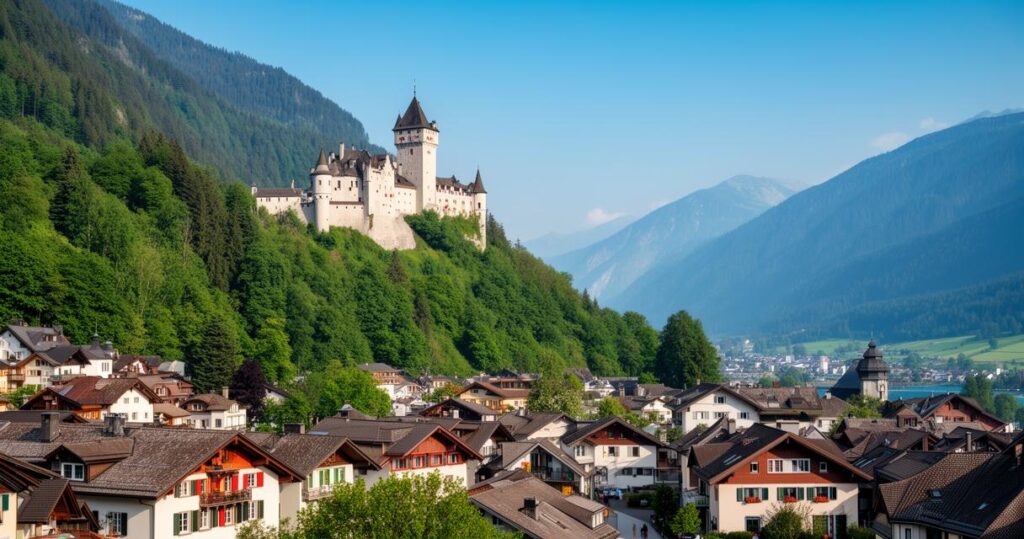
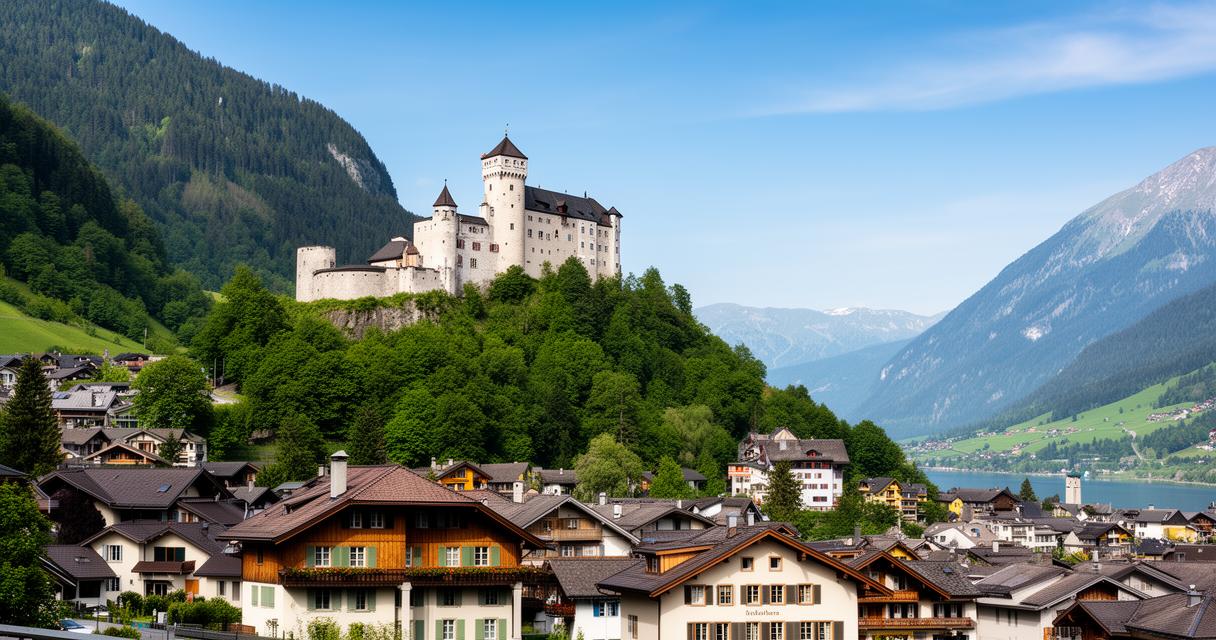
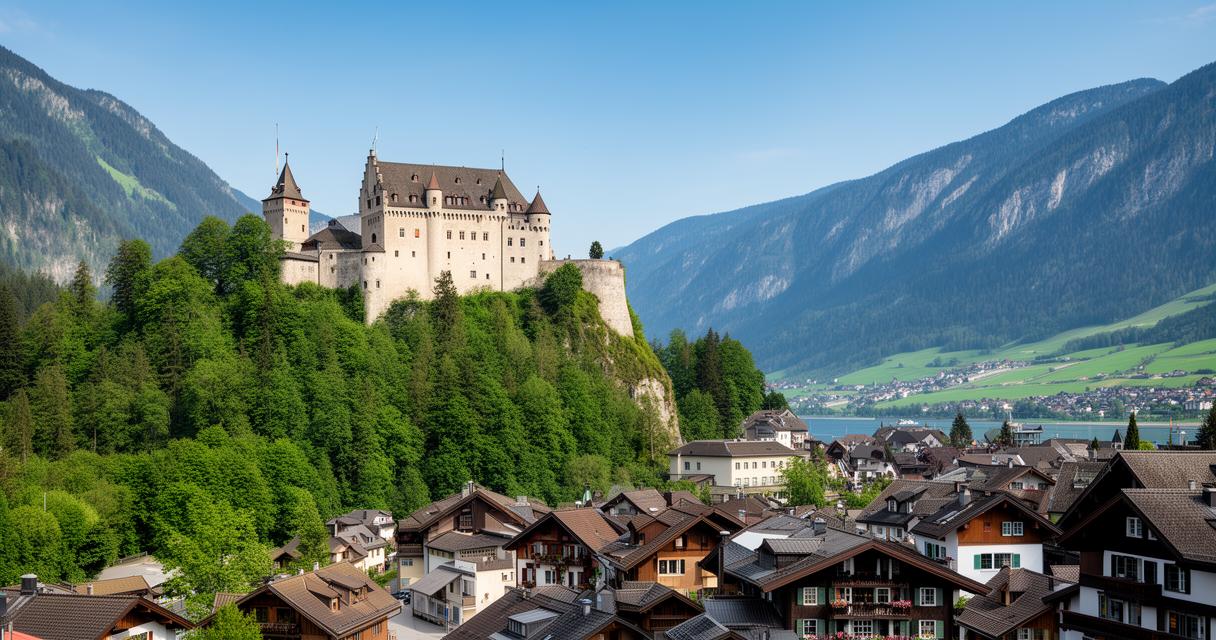
Perched dramatically on a rocky outcrop above the city, Vaduz Castle remains the most recognisable symbol of the principality. Its origins trace back to the twelfth century, though the structure has been altered and expanded over the centuries, blending medieval fortification with later renovations that reflect changing architectural tastes. The castle's thick stone walls and commanding towers were originally built for defence, yet today they serve as the official residence of the reigning prince, making it one of the few inhabited castles in Europe still fulfilling its original royal purpose. Visitors cannot enter the castle itself, as it remains a private residence, but the building's exterior alone offers plenty to admire, from its weathered turrets to the way it seems to grow organically from the cliff face beneath it.
Exploring the Historic Grounds and Royal Residence
The pathway leading up to the castle winds through wooded hillside, offering glimpses of the valley below and rewarding walkers with increasingly impressive views. Many travellers combine this walk with broader hiking routes that criss-cross the surrounding hills, as Liechtenstein's compact size makes it easy to pair cultural sightseeing with outdoor pursuits. The grounds surrounding the castle, while not fully open to the public, provide enough vantage points to appreciate the scale of the fortification and its relationship with the city sprawled beneath it. It's a favourite spot for photographers at sunset, when the stone facade takes on a golden hue against the darkening sky.
Cultural edifices: museums and contemporary architecture
Liechtenstein national museum: a journey through history
Down in the city centre, the architectural narrative shifts from medieval stone to museum design that carefully balances old and new. The Liechtenstein National Museum occupies a building that itself tells a story, having been adapted and expanded to house collections spanning natural history, archaeology, and the cultural evolution of the principality. This forms part of what locals proudly call the Museum Mile, a concentrated stretch of cultural institutions that makes Vaduz surprisingly rich in artistic offerings for such a small capital. Alongside permanent exhibitions, the museum hosts rotating displays and works well with guided tours that help visitors understand the layered history embedded within its walls.
Kunstmuseum liechtenstein: modern design meets fine art
Just a short stroll away stands the Kunstmuseum, arguably the boldest architectural statement in the entire city. Its black basalt concrete facade and minimalist cube-like form create a striking contrast against the alpine backdrop, and the building has become something of an icon for contemporary art enthusiasts travelling through the region. Inside, the museum houses an impressive collection of modern and contemporary works, complemented by outdoor sculptures scattered throughout the surrounding plaza. The Vaduz Cultural Centre nearby continues this theme of architectural boldness, hosting classical concerts and cultural events within spaces designed to be as visually compelling as the performances themselves.
Bridges, churches, and urban charm: vaduz's architectural diversity
The Rheinbrücke and Engineering Marvels of the Principality
Beyond museums and castles, Vaduz's infrastructure tells its own architectural story. The Rheinbrücke, a historic wooden bridge crossing into Switzerland, remains one of the last covered wooden bridges spanning the Rhine, offering a charming counterpoint to the modernist museum buildings nearby. Engineering enthusiasts will also appreciate how the city's compact public transport network weaves through hillside terrain, connecting cultural sites without disrupting the alpine scenery. For those wanting to explore further afield, the ALL INCLUSIVE Adventure Pass grants access to more than twenty attractions alongside transport across the principality, making it simple to combine architectural sightseeing with outdoor activities like cycling or, during winter months, skiing in the nearby Alps.
Historic churches and traditional alpine structures
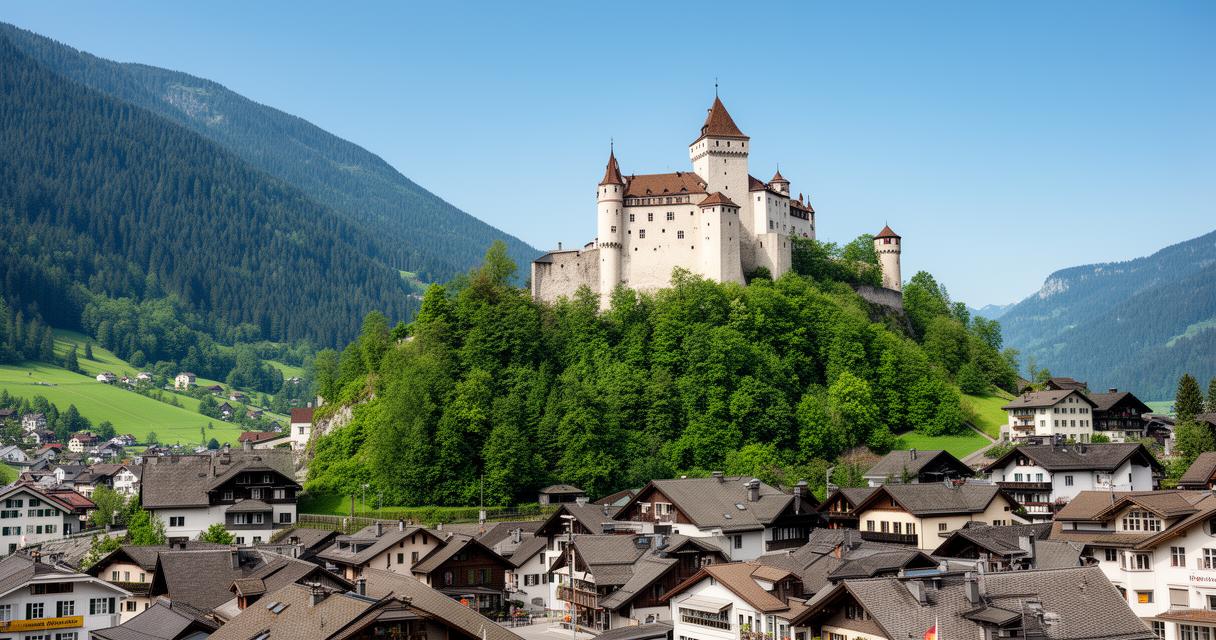
Scattered throughout Vaduz are smaller but equally charming structures, including parish churches built in traditional alpine style with steep timber roofs designed to withstand heavy snowfall. These buildings, often overlooked in favour of grander landmarks, offer insight into vernacular construction methods that have sustained mountain communities for generations. Traditional festivals frequently take place around these historic squares, blending architectural heritage with living culture. Visitors exploring the city on foot will also stumble upon wooden chalets and stone farmhouses that hint at Liechtenstein's rural past, now sitting comfortably alongside contemporary developments.
Whether drawn by royal history, artistic ambition, or the simple pleasure of wandering charming streets, Vaduz offers architectural variety rarely found in such a small footprint. Liechtenstein Marketing, based at Äulestrasse 30 in Vaduz, provides plenty of resources for planning a visit, including a newsletter highlighting seasonal events and new experiences. With growing emphasis on sustainable travel and support for local cuisine, exploring this alpine capital's buildings has never felt more rewarding, nor more in tune with responsible tourism practices that respect both heritage and environment.