Whether you are purchasing a plot of countryside, sizing up a new garden, or trying to make sense of a property listing that mixes metric and imperial figures, knowing how to move between square metres and hectares is a genuinely useful skill. It might seem like a small technical detail, but getting your area measurement right can save you from costly misunderstandings, particularly when money, contracts, or legal boundaries are involved.
In brief
- A square metre is the standard unit for smaller spaces, while a hectare is equivalent to 10,000 square metres and used for larger land areas.
- To convert square metres to hectares, you simply divide the figure by 10,000, and conversely, multiply by 10,000 to convert hectares to square metres.
- Using consistent measurement units is vital for property transactions, land registration, and avoiding costly legal or financial misunderstandings.
- Conversion errors often stem from confusing units or relying on unverified land boundaries rather than the mathematical process itself.
- Accurate area calculations are essential for property valuation, obtaining correct insurance premiums, and preventing issues when relocating.
- Reliable measurement tools and reference tables help property owners verify figures quickly when documents switch between metric and imperial units.
Understanding the Fundamentals: Square Metres, Hectares, and the Metric System
What Are Square Metres and Hectares? Defining Your Units of Measurement
A square metre is simply a square measuring one metre on each side, and it is the standard unit used for smaller spaces such as rooms, flats, or modest gardens. A hectare, on the other hand, is a much larger unit reserved for land, farms, and estates, equivalent to ten thousand square metres. Between these two sits another unit you may not have come across before, the are, which equals one hundred square metres and was historically used across parts of Europe. There is also the centiare, a slightly old-fashioned term that is actually just another name for a single square metre. Together, these units form a neat little family within the metric system, each scaled by a factor of one hundred from the next.
The international metric system: why consistent area measurements matter globally
The metric system was designed to bring order to what was once a chaotic patchwork of local measurement standards, and area measurement is no exception. Countries across the world, from France to Australia, rely on square metres and hectares for land registration, agriculture, and urban planning, which makes cross-border property dealings far simpler than they would be otherwise. That said, some regions, particularly the United States and, to a lesser extent, the United Kingdom, still lean on acres and square feet. This is precisely where confusion tends to creep in, especially when a listing or legal document quotes figures in a unit you are not used to working with.
Mastering the Conversion Process: From Square Metres to Hectares Made Simple
Step-by-Step Guide: Converting m² to Hectares with Practical Examples
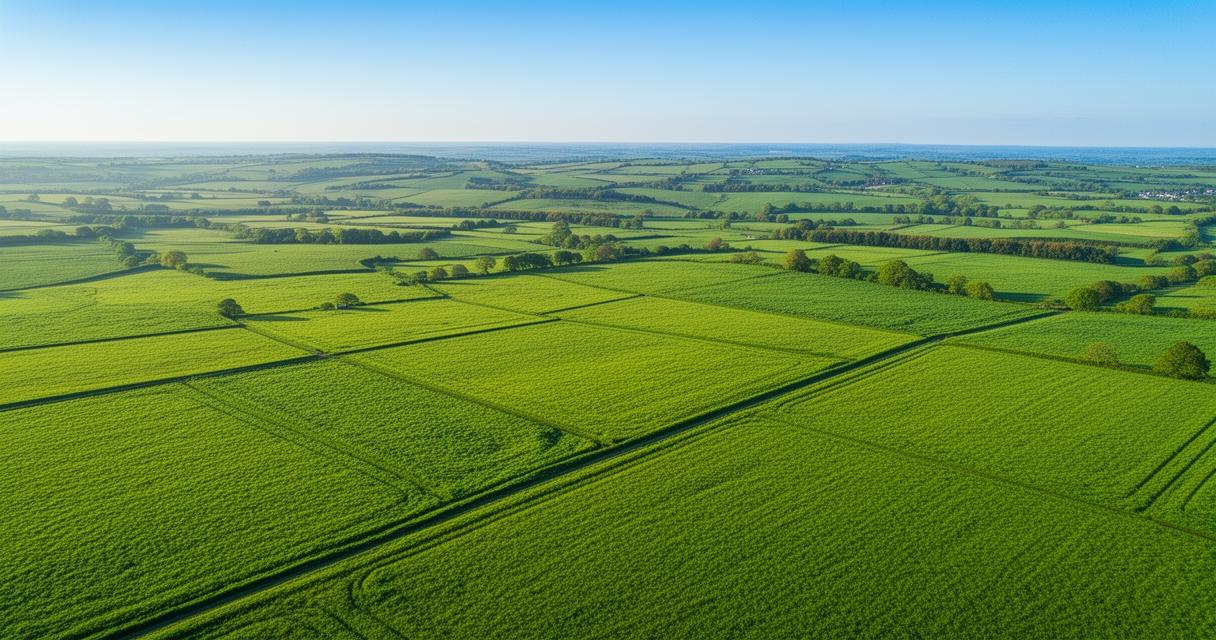
The maths behind this conversion is refreshingly straightforward once you know the trick. Since one hectare contains ten thousand square metres, you simply divide your square metre figure by ten thousand to arrive at the hectare equivalent. So, a plot measuring five thousand square metres would come to half a hectare, while a sprawling estate of fifty thousand square metres would translate to five hectares. If you are working the other way and need to convert hectares back into square metres, you just multiply by ten thousand instead. Tools such as MapCalculator can handle this instantly, allowing you to convert between acres, hectares, square metres, and square feet without needing to remember every formula, which is particularly handy when a property brochure suddenly switches units halfway through.
Quick reference conversion table: your essential tool for accurate land calculations
Having a simple reference point nearby can save a lot of head-scratching, especially when you are dealing with multiple units at once. A quick mental checklist might look something like this:
- One hectare equals ten thousand square metres
- One are equals one hundred square metres
- One acre is roughly four thousand and forty-seven square metres
- One centiare is the same as one square metre
Keeping a note of these figures, or bookmarking a reliable measurement tool, means you will never be caught out when a document throws an unfamiliar unit your way.
Practical applications: why accurate land measurement matters for property owners
Real Estate Investment and Property Valuation: The Critical Role of Precise Measurements
When it comes to buying land or evaluating an investment, precision is not optional. Listings and legal paperwork often express size in different units depending on the country or even the specific agent involved, and this inconsistency is exactly why measurement accuracy deserves your full attention. A sensible approach is to measure the plot once using a dedicated area tool, then convert the figure into whichever unit you need, rather than trying to remeasure every time you switch between systems. It is also worth checking the outline of the land itself before converting anything, since an inaccurate boundary will produce an inaccurate result no matter how carefully you do the sums afterwards.
Common measurement errors tend to arise from two sources: misrecording which unit the original figure was given in, or simply assuming that an informal or unofficial outline is correct when it has never actually been verified. Neither mistake is obvious at first glance, which is why careful documentation matters so much. Note down the original units, the method used, and the date of measurement, and keep a running log so you can cross-check figures later if a discrepancy appears. Estimates are perfectly fine for casual browsing or early-stage research, but anything destined for legal matters or official paperwork should always be checked against authoritative data rather than taken at face value. It is also worth remembering that converting between units does not somehow make a figure more accurate, it merely expresses the same measurement differently, so verification of the original number remains essential.
Relocating and property insurance: how correct area calculations protect your interests
Beyond the buying process, accurate area figures play a surprisingly large role in everyday practicalities such as relocating or arranging insurance. Insurers often calculate premiums based on the size of a property or its land, so an error in unit conversion could mean you end up underinsured or, just as frustratingly, paying more than necessary. Similarly, when relocating internationally, you might need to translate property descriptions from square feet into square metres or hectares to properly understand what you are actually acquiring. Taking the time to measure once, convert carefully, and confirm your figures against reliable sources is a small effort that pays off considerably, sparing you from disputes, miscalculations, or unwelcome surprises further down the line.