

Playgrounds are spaces where children should feel free to explore, take on challenges, and develop their physical and social skills. Yet without thoughtful design and proper safeguards, these environments can pose genuine risks. Safety barriers are one of the most effective tools available to those responsible for play area planning, helping to create spaces that are both engaging and secure for children of all ages and abilities.
The essentials
- Safety barriers are essential tools that help balance challenging play opportunities with necessary physical protection.
- Strategic placement of barriers prevents hazardous falls from elevated surfaces and guides children away from potential collision points.
- Perimeter barriers act as a vital safety measure to separate playgrounds from vehicle traffic and other external environmental risks.
- Effective playground barriers should be durable, highly visible, and designed to maintain clear sightlines for supervisors.
- Inclusive design, including accessible gate mechanisms and smooth, non-slip materials, is crucial to ensure all children can participate safely.
- Regular maintenance and routine inspections are required to ensure that barriers remain functional and free of wear-related defects over time.
The Role of Safety Barriers in Protecting Children at Play
How Physical Boundaries Reduce the Risk of Hazardous Falls
When we think about play equipment safety, the conversation often centres on the equipment itself — the slides, climbing frames, and swings. However, the surrounding environment matters just as much. Well-positioned barriers can mark the edges of elevated surfaces, guide foot traffic away from collision points, and provide a physical cue that prompts children to slow down and think before moving forward. This kind of managed risk is increasingly recognised as valuable in outdoor play environments, because it allows children to encounter challenges within a structure that limits the potential for catastrophic harm. Research within the field of childhood development suggests that children who navigate spaces with thoughtfully designed boundaries develop stronger judgement and greater physical awareness over time. Rather than removing all risk, the aim is to shape it into something that builds child physical literacy and resilience building through lived experience.
Keeping Young Children Away from Traffic and Surrounding Dangers
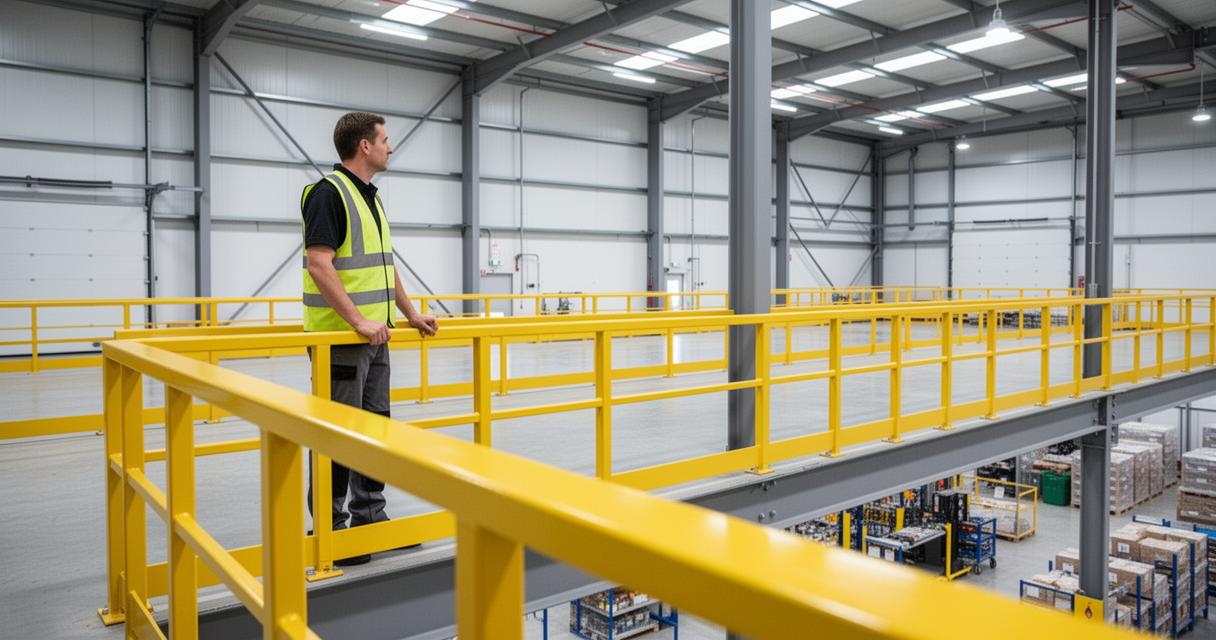
Beyond the play equipment itself, one of the most critical functions of safety barriers in a playground setting is separation from external hazards — particularly vehicle traffic. Pedestrian traffic calming is not only a concern for road planners; it is equally relevant to those designing outdoor learning spaces and recreational areas near busy roads. A robust perimeter barrier ensures that even the youngest or most impulsive children cannot wander into the path of moving vehicles. Market context from within the industry highlights a clear relationship between vehicle speeds and the severity of pedestrian injuries, reinforcing why physical separation between children and traffic is so important. When child safety is the priority, a well-designed barrier is not an obstacle to play — it is the foundation that makes free play possible.
Choosing the Right Safety Barriers for a Secure Playground
Key Features to Look for When Selecting Playground Barriers
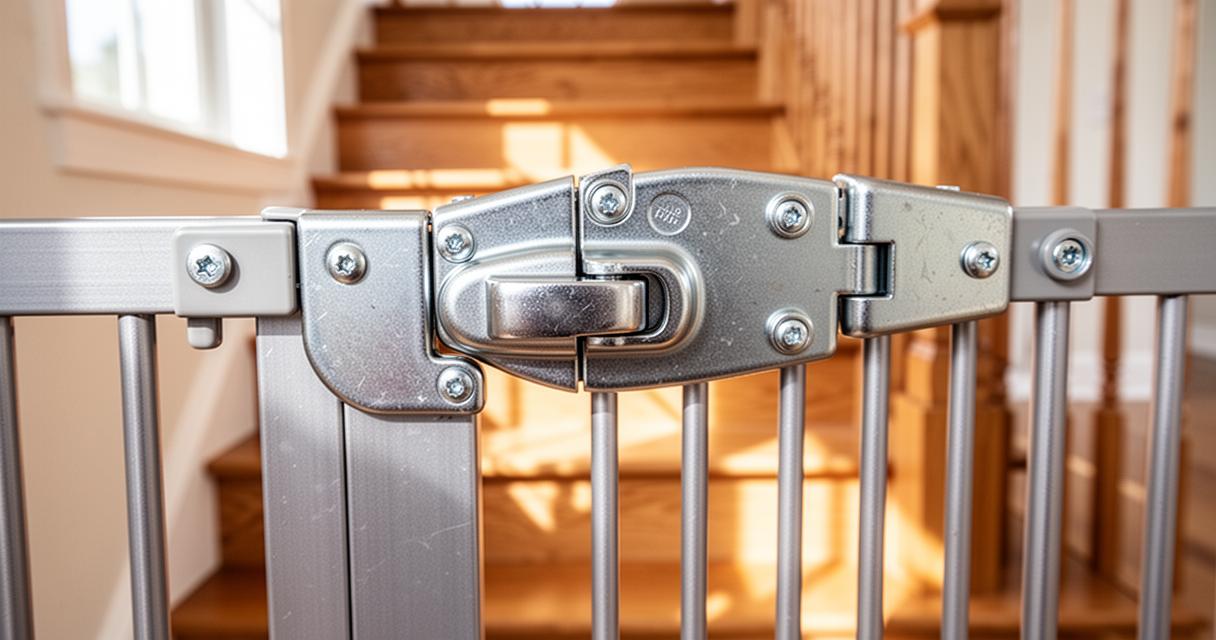
Not all barriers are created equal, and selecting the right option for a given site requires genuine risk assessment in play area design. The most effective barriers combine durability with visibility, allowing supervisors and carers to maintain clear sightlines across the whole space. Height is an important consideration — a barrier must be tall enough to deter climbing or accidental crossing, yet proportionate to the scale of the environment. Material choice also plays a role in inclusive playground design: smooth finishes with no sharp edges, slip-resistant surfaces at entrances, and playground accessibility standards-compliant gate mechanisms all contribute to a space that works for every child. Industry observations suggest that a significant proportion of playgrounds fall short when it comes to accessibility, which can exclude children with disabilities from participating fully. Choosing barriers with these users in mind is not just good practice — it is essential for truly accessible public spaces.

Maintenance and Regular Inspection to Ensure Long-Term Safety
Even the most thoughtfully chosen barrier will lose its effectiveness if it is not properly maintained. Recreational facility design professionals consistently emphasise that routine inspection is as important as the initial installation. Over time, ground movement, weather exposure, and everyday wear can loosen fixings, warp materials, or create gaps that were never intended. A structured maintenance schedule — covering visual checks, mechanical testing of gates and latches, and periodic professional assessments — ensures that play area safety features continue to perform as intended. Child injury prevention is an ongoing commitment, not a one-off investment, and operators who embrace this philosophy create environments where children, parents, and carers can feel genuinely at ease. When barriers are kept in good condition, they quietly do their job: keeping the fun in and the danger out.