
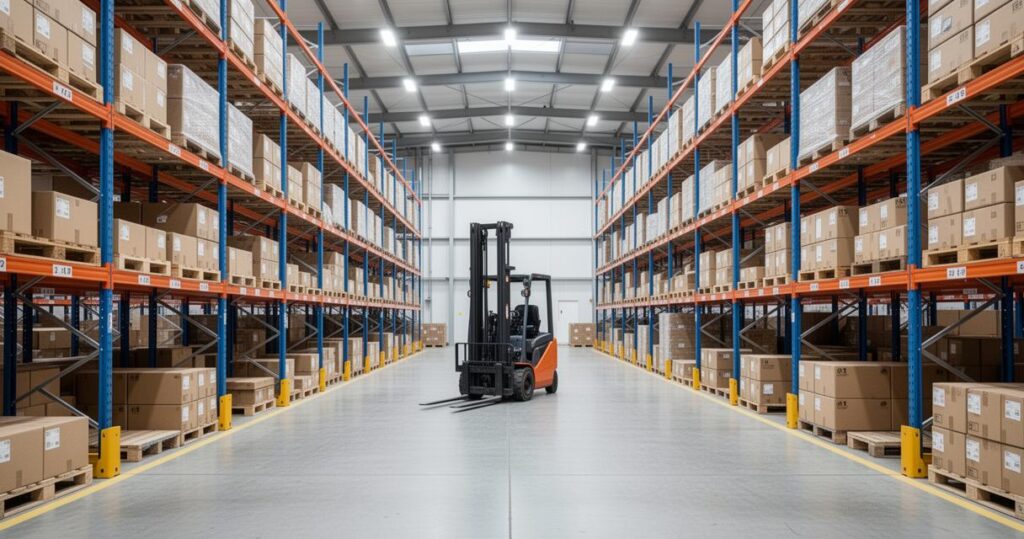
As organisations grow increasingly conscious of their environmental responsibilities, the way they manage equipment archives has come under renewed scrutiny. From legacy hardware gathering dust in storage rooms to outdated laboratory instruments awaiting disposal, the challenge is no longer simply one of space or cost — it is fundamentally about sustainability. Adopting thoughtful, eco-minded practices across every stage of an asset’s life not only supports broader environmental goals but also delivers measurable operational benefits.
In short
- Regular inventory audits help organizations determine whether to retain, refurbish, or retire equipment, significantly reducing unnecessary waste and scope 3 carbon emissions.
- Asset tracking tools and detailed condition assessments enable better lifecycle management, helping to avoid the rising costs associated with maintaining underutilized hardware.
- Internal transfer programs and hardware refurbishment encourage a circular economy by extending the functional life of assets instead of opting for new procurement.
- Optimizing storage environments through climate control and logical layout organization prevents equipment deterioration and reduces the energy required for maintenance.
- Choosing certified recycling facilities that prioritize reuse and environmental standards is essential for managing electronic waste responsibly.
- Implementing rigorous data sanitization protocols before any asset is transferred or recycled is a critical safeguard for maintaining security during the disposal process.
Implementing eco-friendly inventory audits for legacy hardware
A structured approach to sustainable equipment management begins long before a device reaches the end of its useful life. When organisations conduct regular inventory audits, they gain the visibility needed to make informed decisions about what to retain, refurbish, or retire. Many assets that appear redundant at first glance still hold considerable value — whether through continued use, component harvesting, or redeployment across departments. It is worth noting that lifecycle analysis should factor in the embodied carbon of equipment decisions, since scope 3 emissions can represent a substantial portion of an organisation’s overall carbon footprint.
Assessing the Lifecycle and Condition of Stored Assets
Understanding the true condition of archived equipment requires more than a cursory visual inspection. Asset tracking tools and detailed condition assessments allow teams to categorise items accurately — distinguishing between those still fit for purpose, those requiring repair, and those that have genuinely reached end of life. This process supports better total cost of ownership calculations, as maintenance costs can escalate significantly over time. Industry data suggests that maintenance can account for the vast majority of long-term IT spending, making early lifecycle decisions all the more consequential. Items classified as surplus — whether underutilised or no longer needed — should be flagged promptly to avoid unnecessary storage costs and environmental burden.
Identifying Opportunities for Component Reuse and Upcycling
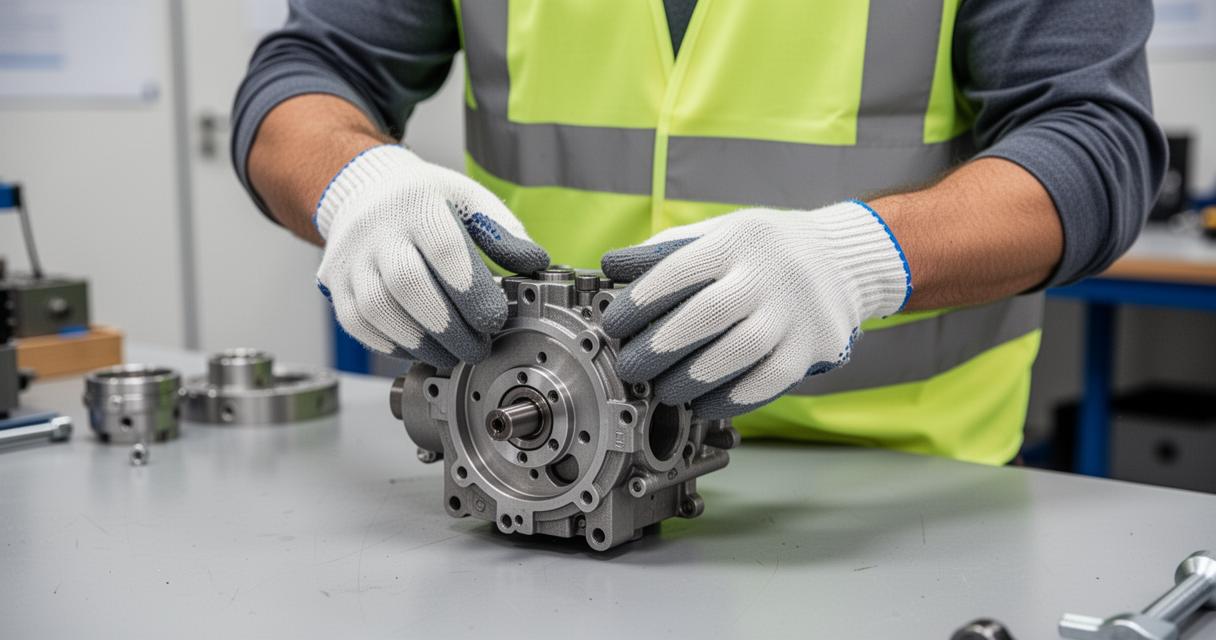
Once assets have been assessed, the focus should shift to identifying realistic opportunities for resource reuse and upcycling. Internal transfer programmes, sometimes facilitated through dedicated communication channels within an organisation, allow functional equipment to find a second life in another department rather than being discarded. Hardware refurbishment has grown into a credible alternative to new procurement, with many providers now refurbishing a significant proportion of end-of-lease devices to extend their working lives and support a genuine circular economy. When repairs are undertaken, it is advisable to ensure that the cost of restoration does not disproportionately exceed the replacement value, unless there is a clear sustainability justification for doing so.
Optimising storage environments to minimise energy consumption
Proper archiving is not merely about cataloguing assets — the physical environment in which equipment is stored plays a critical role in equipment durability and long-term preservation. Poorly controlled storage conditions can accelerate deterioration, rendering otherwise reusable assets unserviceable and contributing to avoidable waste.
Adopting climate-controlled solutions for equipment preservation
Environmental factors such as relative humidity, temperature, light exposure, and airborne pollutants all exert significant influence over the condition of stored equipment. High relative humidity can cause corrosion of metal components and encourage mould growth, while excessively low levels lead to embrittlement and cracking. Similarly, elevated temperatures accelerate material degradation and can compromise adhesives and sensitive components, whereas very low temperatures introduce their own risk of physical damage. Infrastructure monitoring through dataloggers, stand-alone devices, or telemetric systems provides ongoing oversight of storage conditions, enabling prompt corrective action before damage becomes irreversible. Selecting the right monitoring solution depends on factors including budget, the level of detail required, and the specific characteristics of the storage facility.

Streamlining archive layouts to reduce operational waste
Beyond climate control, the physical layout of an equipment archive has a direct bearing on energy use and operational efficiency. Poorly organised stores require more energy to navigate and maintain, and they increase the likelihood of assets being overlooked during audits. A well-considered archive layout — one that groups items logically by type, condition, and anticipated future use — reduces unnecessary handling, supports faster retrieval, and contributes to a lower overall carbon footprint. Integrating sustainability reporting into archive management processes also helps organisations track progress against environmental targets and identify areas for further improvement.
Establishing responsible e-waste disposal and recycling protocols
Even with the best efforts to extend the life of equipment, some assets will inevitably reach a point where disposal becomes the only viable option. How organisations handle this final stage of the it asset lifecycle management process carries significant environmental and reputational implications. The global volume of electronic waste generated each year runs into tens of millions of metric tonnes, underscoring the urgency of responsible end-of-life practices.

Partnering with certified sustainable recycling facilities
Responsible disposal begins with choosing the right partners. Organisations should seek out recycling facilities that operate to recognised environmental standards and can demonstrate genuine commitment to waste reduction rather than simply diverting materials to landfill. Some schemes focus specifically on purchasing used or broken items for reuse, providing a valuable alternative to outright disposal. Regulatory compliance is non-negotiable in this space: waste electrical and electronic equipment regulations set out clear obligations, and organisations must ensure their disposal processes meet all relevant requirements. A sound procurement strategy should account for end-of-life considerations from the outset, embedding responsible disposal criteria into supplier selection.
Ensuring secure data sanitisation before hardware disposal
Data security remains one of the most pressing concerns associated with hardware disposal. A notable proportion of IT decision-makers identify security as a primary worry when retiring old assets, and the risks are real: devices that leave an organisation without thorough data sanitisation can expose sensitive information. Effective environmental management of equipment archives must therefore encompass robust data wiping protocols as a standard step before any asset is transferred, sold, or recycled. This is not merely good practice — it is an essential safeguard that protects both the organisation and the individuals whose data may reside on retired devices. By integrating data sanitisation into the broader disposal workflow, organisations can pursue responsible disposal with confidence, meeting both their environmental obligations and their duty of care.