

Managing the paperwork that accumulates in your home can often feel like an overwhelming challenge, especially when you consider the sheer variety of documents that require safe keeping. From legal contracts and tax returns to birth certificates and property deeds, each piece of paper holds its own significance and demands a thoughtful approach to storage. Establishing a robust system for organising your important papers not only helps you locate what you need when you need it, but also ensures that your most vital records remain protected from damage, loss, or unauthorised access. This guide will walk you through practical strategies for creating a filing system that works for your household, whether you prefer traditional physical storage, digital solutions, or a combination of both.
Establishing a Proper Filing System for Vital Documents
The foundation of any successful document organisation strategy lies in creating a filing system that is both logical and easy to maintain. Begin by gathering all your papers from every corner of your home, from the kitchen drawer to the home office desk. Once you have everything in one place, sort these documents into three distinct categories: those requiring immediate action, those destined for your archive, and those ready to be shredded. This initial sorting process allows you to quickly identify what needs your attention and what can be stored away for the long term. It is essential to think about the different categories that reflect your life, such as home and property, finances, medical and health, and estate planning. By tailoring your filing system to your unique circumstances, you create a structure that feels intuitive and reduces the time spent searching for specific documents.
Choosing the Right Storage Materials and Stock for Long-Term Preservation
When it comes to preserving important documents, the quality of your storage materials can make all the difference. Opt for acid-free archive boxes and folders that prevent yellowing and deterioration over time. Consider the weight and durability of the stock you choose, as heavier materials often provide better protection against physical damage. For documents that you plan to keep forever, such as birth certificates, marriage licences, and wills, invest in protective sleeves or binders that shield the paper from light, moisture, and dust. If you are storing a collection of legal contracts or tax records, ensure that the materials you select can withstand frequent handling without tearing or creasing. It is also worth thinking about the dimensions of your storage solutions, particularly if you have oversized documents or a large number of sheets that need to be filed together. Some households prefer white or neutral colours for their filing materials, as these can help create a clean and uniform appearance, while others might opt for coloured folders to differentiate between categories at a glance. Regardless of your preference, the key is to choose materials that offer both longevity and ease of use.
Categorising your collection: from legal contracts to household receipts
Once you have selected your storage materials, the next step is to categorise your documents in a way that makes sense for your daily life. Start by separating your legal documents, such as contracts, property records, and military discharge papers, from your financial documents, which might include tax returns, investment purchase confirmations, and bank statements. Medical records, including your medical history paperwork and any documents related to prescriptions or treatments, should have their own dedicated section. Household receipts, particularly those related to major purchases or home improvements, can be filed separately, as these may be needed for warranty claims or insurance purposes. It is important to remember that different documents have varying retention periods. For instance, tax records should generally be kept for at least seven years, while some receipts, such as those for automated teller machine transactions or bank deposits, can be discarded after reconciliation. By organising your collection according to both category and retention period, you create a system that not only helps you find what you need quickly but also ensures compliance with regulatory requirements. This approach is particularly beneficial for those who are self-employed, as UK tax regulations require such individuals to retain records for a minimum of five years and ten months after the end of the tax year to which they relate.
Creating a physical archive: room-by-room organisation strategies
Establishing a dedicated space for your important papers is crucial to maintaining an effective filing system. Whether you choose to set up your archive in a home office, a study, or even a corner of your kitchen, the goal is to create a processing station where new documents can be assessed and filed on a regular basis. This station should be equipped with all the tools you need, including a filing cabinet, archive boxes, a label maker, and perhaps even a shredder for disposing of outdated or irrelevant papers. By designating a specific area for document management, you reduce the likelihood of papers piling up in random locations around your home. Consider the flow of your daily routine when choosing a location, as you are more likely to maintain your system if it is conveniently situated in a room you use frequently. For those with limited space, a small filing cabinet in the kitchen can serve as an efficient solution, while larger households might benefit from a dedicated office or study where multiple archive boxes can be stored on shelves or in cupboards.
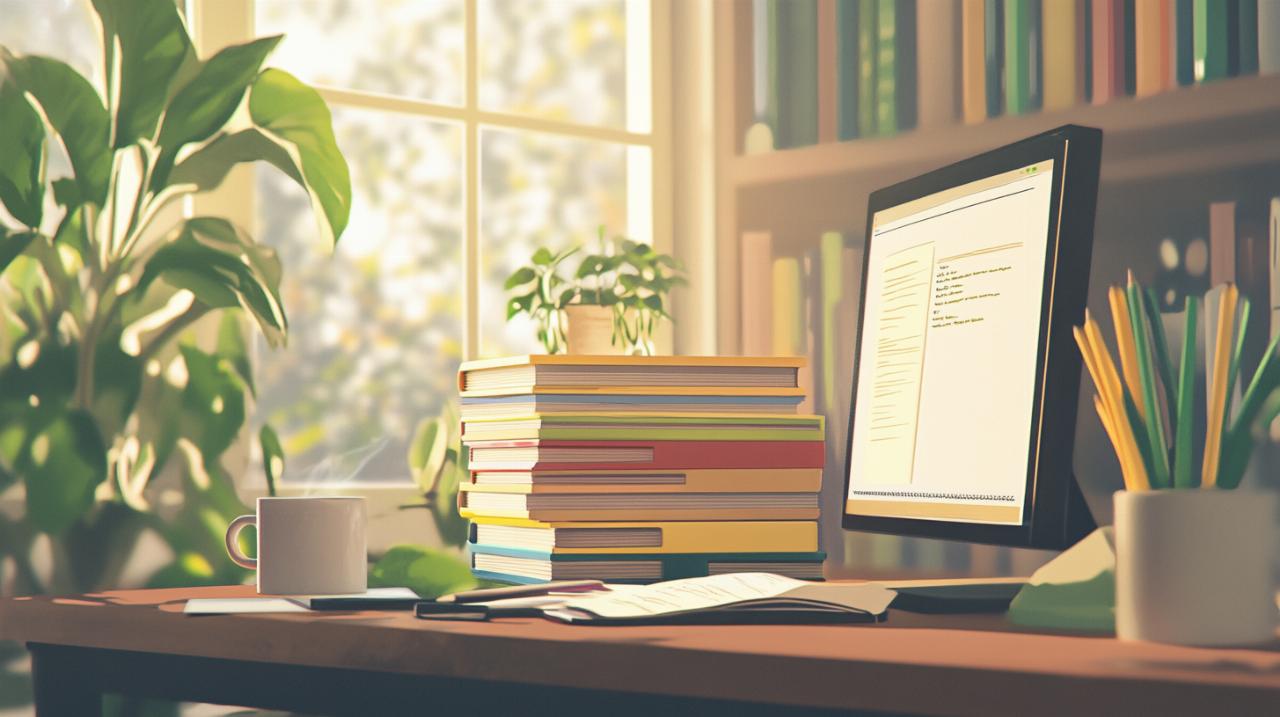
Setting Up a Dedicated Space: Office, Study, or Kitchen Filing Solutions
When planning your physical archive, think about the layout and accessibility of the space you have chosen. In an office or study, you might have the luxury of installing built-in shelving or a large filing cabinet that can accommodate a substantial collection of documents. If your home office is compact, consider vertical storage solutions that make the most of your available wall space without overwhelming the room. In the kitchen, a small filing cabinet or a set of labelled archive boxes tucked into a cupboard can keep your household papers organised and within easy reach. The key is to ensure that your filing system is accessible enough that you can retrieve documents quickly when needed, but secure enough that sensitive information remains protected. For households that deal with a high volume of paperwork, setting up a hybrid system that combines physical and digital storage can be particularly effective. You might choose to scan important documents and store them digitally while keeping the original paper copies in a secure location, such as a self-storage unit or a fireproof safe. This approach not only provides a backup in case of damage or loss but also makes it easier to share documents electronically when required.
Protective measures: weight considerations and safeguarding against damage
Protecting your documents from environmental hazards is an essential aspect of any storage strategy. Even within your home, papers can be vulnerable to damage from humidity, temperature fluctuations, and exposure to light. To mitigate these risks, choose a storage location that is dry, cool, and away from direct sunlight. If you live in an area with high humidity, consider using moisture-absorbing packets or a dehumidifier to keep the air around your archive boxes dry. It is also important to think about the weight of your stored documents, particularly if you are using shelving units or stacking boxes. Overloading shelves can lead to structural failure, while overly heavy boxes can be difficult to move and increase the risk of injury. When packing your archive boxes, distribute the weight evenly and avoid overfilling, as this can cause the cardboard to weaken over time. For particularly valuable or irreplaceable documents, such as estate planning paperwork or original birth certificates, consider investing in a fireproof safe or a climate-controlled self-storage unit. Many providers now offer advanced security systems, including two-factor authentication and comprehensive surveillance, ensuring that your most important records are protected around the clock. Access to such facilities is often available seven days a week, with extended hours that accommodate busy schedules, making it convenient to retrieve documents whenever necessary.
Maintaining and accessing your document archive
Once you have established your filing system and created a dedicated space for your important papers, the next challenge is to maintain it over time. A well-organised archive is only effective if it remains current and relevant, which means setting aside time on a regular basis to process new documents and review your existing collection. This ongoing maintenance is crucial for ensuring that your system continues to serve your needs and that you can locate any document quickly when required.
Sorting Your Papers by Relevance: Increasing Accessibility and Decreasing Search Time
One of the most effective ways to maintain your filing system is to sort your papers by relevance, ensuring that the documents you need most frequently are the easiest to access. Start by reviewing each category in your archive and assessing which papers you are likely to refer to on a regular basis. For example, current tax records, active legal contracts, and recent medical documents should be kept at the front of your filing cabinet or in the most accessible archive boxes. Older records that you are required to keep for regulatory compliance but rarely need to consult can be moved to less prominent positions or even transferred to long-term archives in a self-storage unit. This approach not only increases accessibility but also decreases the time you spend searching for specific documents. When processing new papers, make it a habit to file them immediately in the appropriate category rather than allowing them to accumulate in a pile. Setting aside about fifteen to twenty minutes each week to go through your inbox of new documents can prevent your system from becoming overwhelmed and ensure that everything remains in its proper place. By sorting your papers in a way that reflects their relevance to your current needs, you create a dynamic filing system that evolves with your life and continues to provide value over the long term.
Regular reviews and updates: keeping your filing system current
A filing system is not a one-time project but an ongoing process that requires regular attention. Establish a schedule for reviewing your documents, whether that is quarterly, biannually, or annually, depending on the volume of paperwork you manage. During each review, assess which documents can be shredded according to your retention policy and which should be moved to long-term storage. For UK households, it is important to remember that employed individuals should keep tax records for at least twenty-two months, while those who are self-employed should retain such records for five years and ten months. Documents that must be kept forever, such as wills, birth certificates, and estate planning paperwork, should be clearly labelled and stored in a secure location, such as a fireproof safe or a climate-controlled storage unit. As your life circumstances change, your filing system may need to adapt as well. For instance, if you start a business from home, you may need to create new categories for business-related documents, or if you move house, you may need to update your property records and related paperwork. Many self-storage providers report that approximately twenty-four percent of their users run businesses from their units, often for the purpose of document archiving, highlighting the flexibility that external storage solutions can offer. Additionally, with ninety percent of providers now offering online booking, it has never been easier to secure a unit that meets your specific needs. By conducting regular reviews and updates, you ensure that your filing system remains relevant, efficient, and capable of supporting your evolving requirements.