
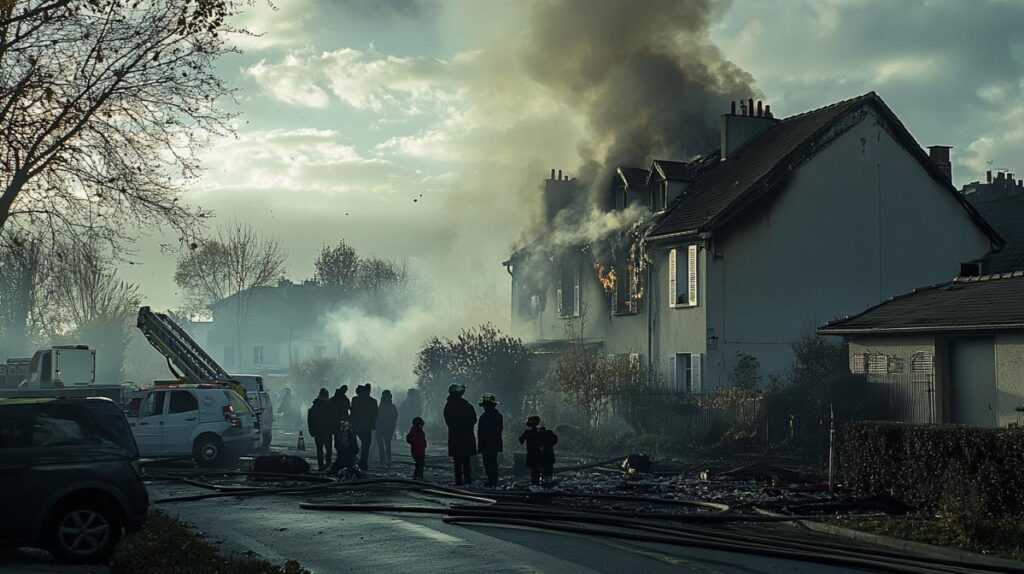
Tragedy struck the quiet town of Wingles in Pas-de-Calais, northern France, when a devastating house fire claimed the lives of three family members and left two children hospitalised. The incident, which unfolded in a residential dwelling, has sent shockwaves through the local community and serves as a stark reminder of the fragility of life and the importance of fire safety. Beyond the immediate horror of the flames and the loss of life, families affected by such catastrophic events face a long and challenging journey of grief, recovery, and rebuilding their lives.
The Tragic House Fire in Pas-de-Calais: What We Know About the Incident
Details of the Fatal Blaze and Emergency Response Efforts
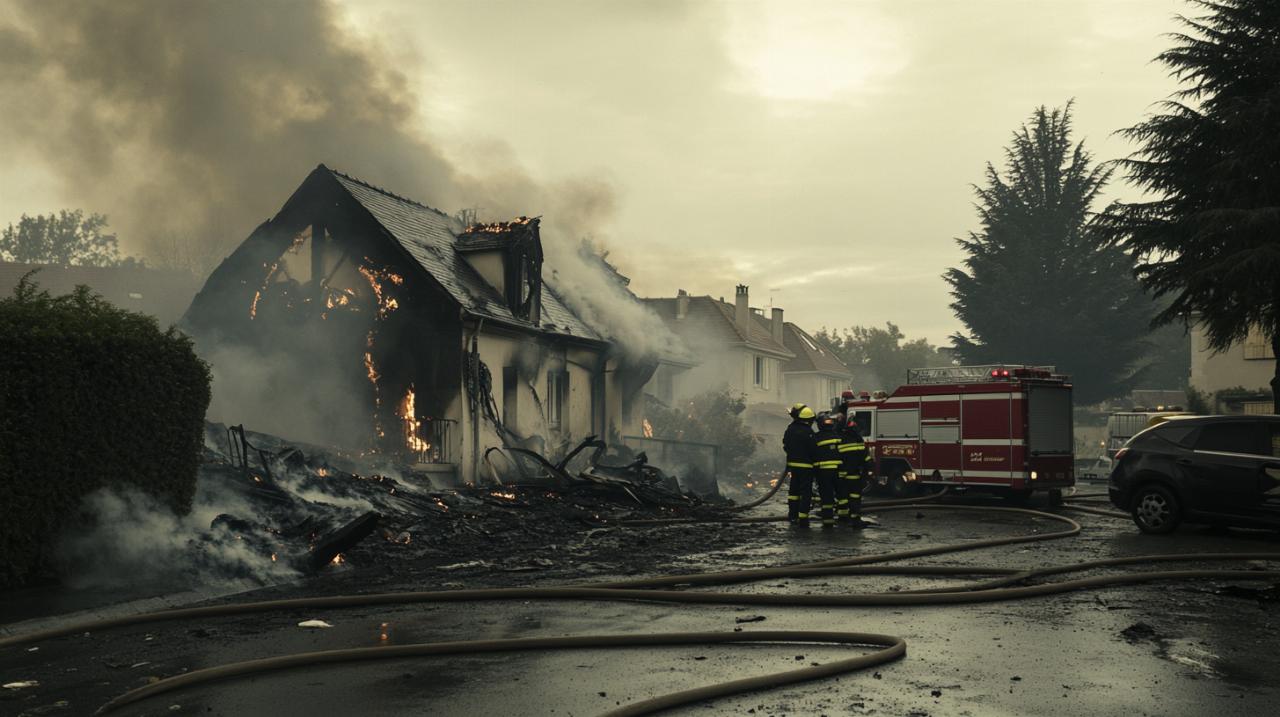
The fatal fire broke out in a residential property in Wingles, a commune located in the Pas-de-Calais department of northern France. Emergency services were alerted to the blaze and responded swiftly, yet despite their best efforts, the fire had already taken a devastating toll. A woman aged just 37 and her two daughters, aged 9 and 16, tragically lost their lives in the inferno. The speed at which the fire spread through the dwelling left little time for escape, and the intensity of the flames made rescue operations extremely hazardous for the firefighters who arrived on the scene.
Footage captured by AFP and shared through Kurator has provided a glimpse into the aftermath of this harrowing incident. The video, marked as requiring special clearance due to its graphic content, underscores the severity of the fire and the challenges faced by emergency responders. The blaze was significant enough to require a substantial firefighting effort, with crews working tirelessly to bring the flames under control and prevent further spread to neighbouring properties. The residential fire serves as a grim illustration of how quickly a domestic incident can escalate into a full-scale emergency, leaving families shattered and communities in mourning.
The Victims and the Rescued Children: A Community in Mourning
The loss of the mother and her two daughters has left a profound void in the lives of those who knew them. The family was part of the fabric of the Wingles community, and their sudden and violent deaths have prompted an outpouring of grief and sympathy. The two surviving children, who were rescued from the burning house, have been hospitalised and are receiving medical care for injuries sustained during the fire. While their physical recovery is underway, the emotional and psychological scars of witnessing such a traumatic event and losing their mother and sisters will undoubtedly take far longer to heal.
The community has rallied around the surviving children and their extended family, offering support in whatever forms are available. Local residents, schools, and charitable organisations have expressed their condolences and are working to provide practical assistance to those affected. The tragedy has also prompted renewed discussions about fire safety measures in residential properties and the importance of early warning systems such as smoke alarms. As the community mourns, there is a collective determination to ensure that the memory of the victims is honoured and that lessons are learned to prevent similar tragedies in the future.
Understanding the Psychological Impact on Surviving Family Members
Coping with bereavement after sudden traumatic loss
For families who have experienced the sudden and traumatic loss of loved ones in a fire, the journey through grief is particularly complex and challenging. Unlike losses that occur after prolonged illness, where there may be time to prepare emotionally, the abrupt nature of a fatal fire leaves survivors in a state of shock and disbelief. The survivors of the Wingles fire, including the two rescued children, must now navigate a landscape of profound sorrow, guilt, and confusion. They may grapple with feelings of survivor's guilt, questioning why they were spared when their loved ones perished, and they may relive the traumatic events repeatedly in their minds.
Bereavement counselling and psychological support are crucial in helping individuals process such intense emotions. Mental health professionals trained in trauma and grief can provide a safe space for survivors to express their feelings, work through their pain, and gradually find ways to honour the memory of those they have lost. The process is neither linear nor predictable, and survivors may experience a range of emotions from anger and despair to moments of acceptance and hope. It is essential that they receive ongoing support tailored to their individual needs, recognising that recovery is a deeply personal journey that unfolds over time.
The unique challenges faced by children who survive such tragedies
Children who survive traumatic events such as a fatal house fire face unique challenges that require specialised care and attention. The two children rescued from the Wingles fire are at a critical juncture in their lives, having witnessed the death of their mother and siblings in the most horrifying of circumstances. Young minds are particularly vulnerable to the long-term effects of trauma, and without appropriate intervention, they may develop conditions such as post-traumatic stress disorder, anxiety, depression, or difficulties in forming healthy relationships in the future.
Support for these children must be multifaceted, encompassing not only immediate medical care but also long-term psychological therapy, educational support, and stable, nurturing environments. Specialist child psychologists and trauma therapists can employ age-appropriate techniques to help children process what they have experienced, express their emotions safely, and begin to rebuild a sense of security and normalcy. Schools and community organisations also play a vital role in providing a supportive network, ensuring that the children do not feel isolated or stigmatised by their experiences. The goal is to help them develop resilience and coping strategies that will serve them throughout their lives, even as they carry the memory of their loss.
Resources and Support Systems for Families Affected by Residential Fires
Accessing Mental Health Services and Counselling in France
In France, a range of mental health services and counselling resources are available to individuals and families who have experienced traumatic events such as residential fires. The French healthcare system provides access to psychologists, psychiatrists, and trauma specialists through both public and private channels. Families affected by the Wingles fire can seek support through their local health centres, hospitals, and specialised mental health clinics. There are also crisis intervention services that offer immediate psychological first aid in the aftermath of traumatic incidents, helping survivors to stabilise emotionally and begin the process of healing.
Charities and non-profit organisations dedicated to supporting victims of disasters and traumatic events also operate throughout France. These organisations often provide free or low-cost counselling, group therapy sessions, and practical assistance such as temporary accommodation and financial support. Accessing these services can be a vital lifeline for families struggling to cope with the aftermath of a fatal fire, offering them not only professional expertise but also the comfort of knowing they are not alone in their suffering. It is important for survivors and their advocates to be aware of the full range of resources available and to seek help as soon as possible to mitigate the long-term impact of trauma.
Community and Charitable Support Available for Bereaved Families
Beyond formal health services, community and charitable support can play an invaluable role in helping bereaved families rebuild their lives. In the wake of the Wingles fire, local community groups, religious organisations, and volunteer networks have come together to offer practical and emotional support to the survivors and the wider family. Fundraising initiatives, donations of clothing and household goods, and offers of temporary housing are just some of the ways in which communities can rally around those in need. Such acts of kindness and solidarity can make a significant difference in the early days and weeks following a tragedy, when survivors are often overwhelmed and unsure of where to turn.
Charitable organisations specialising in disaster relief and victim support, such as the Red Cross and other local charities, can provide coordinated assistance that addresses both immediate and long-term needs. They can help families navigate the complex administrative processes involved in claiming insurance, securing new accommodation, and accessing social services. Additionally, peer support groups where bereaved individuals can share their experiences with others who have suffered similar losses can be profoundly healing. These groups offer a sense of community and understanding that is difficult to find elsewhere, helping survivors to feel less isolated in their grief and more hopeful about the future. As the Wingles community continues to mourn and support the surviving children, the collective effort of individuals, organisations, and institutions will be crucial in helping them to heal and move forward.