
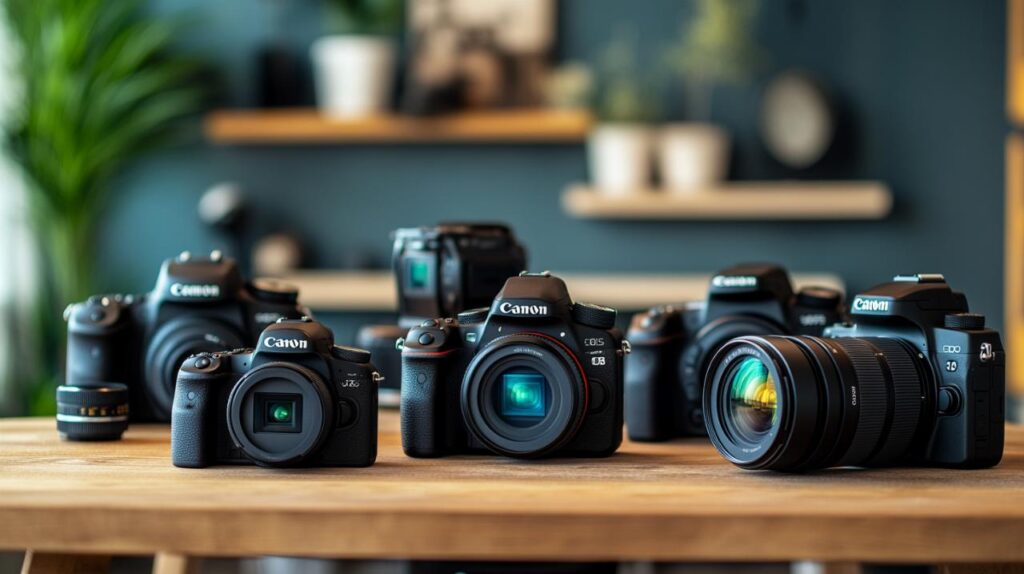
Whether you're a complete novice eager to document life's precious moments or an enthusiast looking to refine your technique, the world of digital photography offers endless opportunities to express your creativity. Modern digital cameras have revolutionised the way we capture images, delivering cracking results that rival traditional methods whilst providing unparalleled convenience and flexibility. This comprehensive guide will walk you through the essential skills and advanced strategies needed to elevate your photographic journey, ensuring every shot you take is worth framing.
Mastering the Fundamentals of Digital Photography
Before diving into the creative aspects of photography, it's crucial to grasp the technical foundations that underpin every brilliant image. Understanding how your digital camera works and how to manipulate its core settings will transform your ability to take pictures witch a digital cameras that truly stand out. The journey from amateur snapshots to professional-quality images begins with mastering three fundamental elements that work together to control how light reaches your camera's sensor.
Understanding exposure: aperture, shutter speed, and iso
Exposure is the cornerstone of photography, determining whether your images are too dark, too bright, or perfectly balanced. The exposure triangle consists of three interconnected components: aperture, shutter speed, and ISO. Each element plays a distinct role, and understanding their relationship is essential for capturing stunning photographs in any lighting condition.
Aperture refers to the opening in your lens through which light passes. A wider aperture allows more light to enter, creating a shallow depth of field that beautifully blurs the background whilst keeping your subject sharp. Conversely, a narrower aperture increases the depth of field, ensuring that more of your scene remains in focus. This control over focus is particularly valuable when shooting portraits or landscapes, where you might want to isolate a subject or capture sweeping vistas with crystal clarity.
Shutter speed determines how long your camera's sensor is exposed to light. Fast shutter speeds freeze motion, making them ideal for capturing action shots or preventing camera shake when shooting handheld. Slower shutter speeds allow more light in but require steadiness to avoid blur. Using a tripod becomes essential when working with slower speeds, as even the slightest movement can compromise sharpness. The relationship between shutter speed and aperture is delicate; increasing one often necessitates decreasing the other to maintain proper exposure.
ISO measures your sensor's sensitivity to light. Lower ISO values produce cleaner images with less grain, whilst higher values allow you to shoot in darker conditions at the cost of increased noise. Many photographers recommend choosing a fixed ISO for the day to deepen your understanding of how shutter speed and aperture interact. This disciplined approach, reminiscent of shooting with large format film where 25 sheets of 4×5 film can cost around forty pounds, encourages thoughtful composition and deliberate decision-making rather than relying on automatic settings.
Adjusting exposure becomes necessary when your images appear too dark or excessively bright. Modern digital cameras offer exposure compensation features that allow you to fine-tune brightness without manually altering each component of the exposure triangle. This flexibility is one of the great advantages of digital photography over film, where exposure limits were far more restrictive and mistakes were costly. A 36.4-megapixel camera memory card costs approximately thirteen pounds and can hold over 1000 images, making experimentation far more affordable than the days when memory card costs and film photography expenses limited how freely photographers could shoot.
Composition techniques for brilliant photographs
Technical proficiency with exposure settings provides the foundation, but composition breathes life into your images. How you arrange elements within your frame determines whether a photograph feels balanced, dynamic, or chaotic. Mastering composition techniques transforms ordinary scenes into compelling visual stories that capture and hold viewer attention.
The rule of thirds is perhaps the most fundamental composition principle in photography. Imagine dividing your frame into nine equal sections using two horizontal and two vertical lines. Placing your subject along these lines or at their intersections creates natural balance and draws the eye into the image. This technique works brilliantly across various genres, from portraits to landscapes, and provides a reliable starting point for crafting well-composed photographs.
Filling the frame with your subject creates intimacy and eliminates distracting background elements. Rather than leaving excessive empty space around your focal point, use your zoom technique to move closer and make your subject the undeniable star of the composition. This approach works particularly well with portraits, where capturing facial expressions and details requires proximity and thoughtful framing.
Exploring different camera angles adds variety and interest to your photography. Rather than shooting everything from eye level, experiment with high angles looking down on your subject or low angles shooting upward. These alternative perspectives can transform familiar scenes into fresh, engaging images that stand out from typical snapshots. The versatility of point-and-shoot cameras and SLR cameras allows you to easily adjust your position and angle, encouraging creative experimentation without cumbersome equipment adjustments.
Limiting the number of exposures per scene, aiming for under ten shots, encourages a more thoughtful shooting discipline. This restraint mirrors the mindset of film photography, where each exposure carried a tangible cost and photographers paused before pressing the shutter. Whilst digital photography removes the financial penalty of extra shots, adopting this disciplined approach improves decision-making and helps you develop a more critical eye for composition.
Advanced tips for capturing cracking digital images
Once you've established a solid foundation in exposure and composition, advancing your skills requires attention to specific scenarios and post-capture refinement. Modern digital cameras offer remarkable capabilities, but knowing how to optimise settings for different situations and enhance your images afterwards separates good photographers from great ones.
Optimising your camera settings for different scenarios
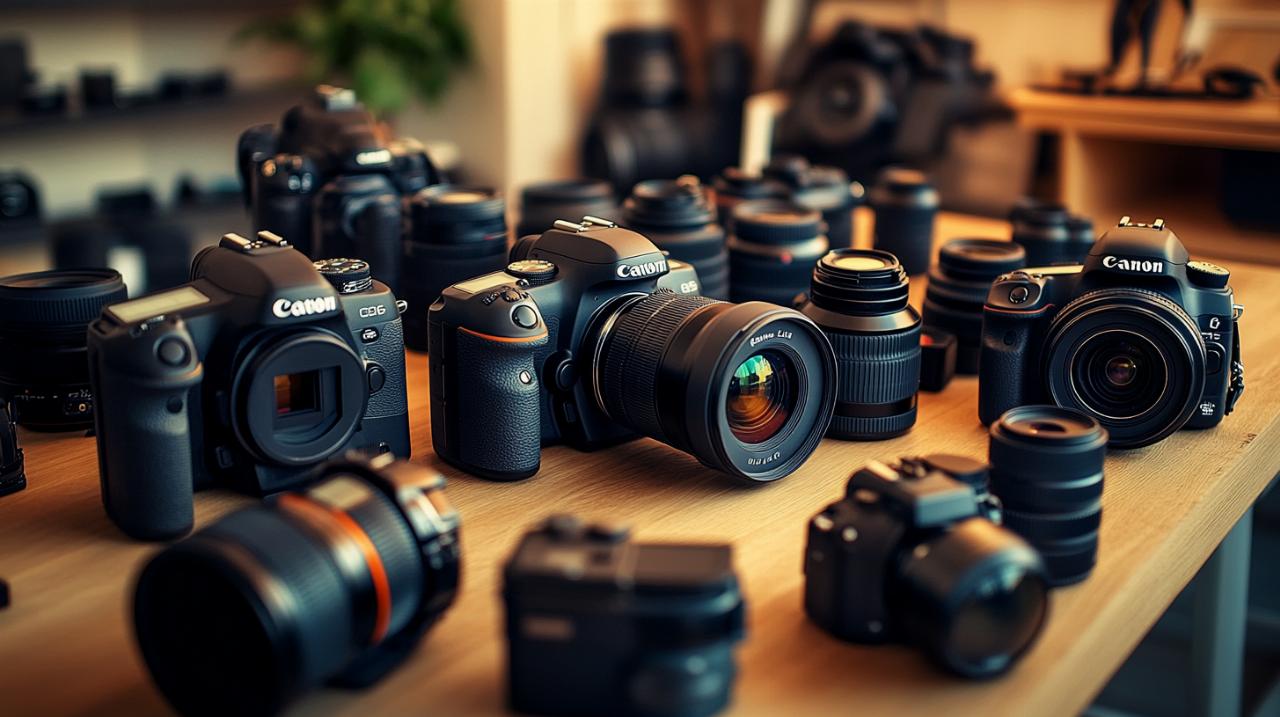
Different photographic situations demand tailored approaches to camera settings. Understanding how to adapt quickly ensures you never miss a brilliant shot, whether you're capturing fast-moving action, low-light environments, or sweeping landscapes.
For action photography, prioritising fast shutter speeds prevents motion blur and freezes dynamic moments. Sports, wildlife, and children at play all benefit from shutter speeds that capture split-second movements with crisp clarity. Balancing this with appropriate aperture and ISO settings ensures your images remain properly exposed without sacrificing the speed necessary to capture the decisive moment.
Low-light situations present unique challenges that require careful consideration of all three exposure elements. Increasing ISO allows you to maintain reasonable shutter speeds without resorting to a tripod, though this comes at the cost of increased grain or noise in your images. Alternatively, using wider apertures permits more light to reach the sensor, though this reduces depth of field and requires precise focus. Tripods provide stability that enables slower shutter speeds in low light, eliminating camera shake that would otherwise ruin your photographs.
Landscape photography often demands maximum depth of field to ensure sharpness from foreground to background. Narrower apertures achieve this effect but require slower shutter speeds or higher ISO values to maintain proper exposure. Tripods become invaluable accessories in landscape work, providing the stability necessary for sharp images whilst allowing you to fine-tune composition without rushing.
Point-and-shoot cameras offer simplicity and convenience for everyday photography, handling most settings automatically whilst delivering impressive results. These cameras are brilliant for spontaneous moments when carrying elaborate equipment isn't practical. SLR cameras, conversely, provide comprehensive manual control for serious photographers who want complete creative authority over every aspect of their images. Understanding which type suits your needs and shooting style helps you select equipment that enhances rather than hinders your photography.
Post-processing techniques to enhance your shots
Capturing a brilliant photograph is only the beginning of the creative process. Post-processing allows you to refine your images, correcting minor imperfections and enhancing visual impact whilst maintaining authenticity. Modern photo editing software provides powerful tools, but understanding when and how to use them requires both technical knowledge and artistic judgment.
Transferring images from your camera to computer using a card reader provides fast, efficient workflow management. Once your photographs are safely stored, you can begin the editing process, starting with basic adjustments to exposure, contrast, and colour balance. These fundamental corrections address issues that might have occurred during shooting, such as slight underexposure or colour casts from artificial lighting.
However, it's essential to remember that taking photos properly from the start remains paramount. Computers cannot fix fundamental compositional flaws or resurrect details lost to severe overexposure. Whilst photo editing software offers remarkable capabilities for enhancement and correction, it functions best when working with well-executed original captures rather than attempting to salvage poorly executed shots.
Experimentation is encouraged in post-processing, as digital photography allows you to try various adjustments without permanently altering your original files. Adjusting saturation, sharpness, and tonal curves can dramatically transform an image's mood and impact. Don't hesitate to explore creative effects, as you can always undo changes or revert to the original if an experiment doesn't achieve the desired result.
Beyond technical adjustments, post-processing offers opportunities for creative expression through selective editing, dodging and burning, and applying artistic filters. These techniques allow you to guide viewer attention, emphasise particular elements, or create specific emotional responses. The key is maintaining balance between enhancement and authenticity, ensuring your edited images remain true to your original vision whilst maximising visual impact.
For those interested in creating physical keepsakes from their digital images, custom printing services offer professional-quality results. Many photography retailers provide extended returns policies, especially during festive periods, allowing you to order prints with confidence. Free home delivery on qualifying orders removes barriers to experimenting with printed photographs, whilst accepted payment methods including Visa, Mastercard, and PayPal ensure convenient transactions. Signing up for newsletters often provides discounts on first orders, making professional printing more accessible to photographers at every level.
Ultimately, capturing stunning pictures with digital cameras combines technical knowledge, artistic vision, and practical experience. Whether you're using sophisticated SLR cameras with comprehensive manual controls or convenient point-and-shoot cameras for everyday moments, the principles remain consistent. Master exposure fundamentals, develop your compositional eye, adapt your approach to different scenarios, and refine your images through thoughtful post-processing. With over 1.6 million photography enthusiasts continually learning and sharing their craft, you're joining a vibrant community dedicated to visual storytelling. Don't worry excessively about technical specifications; just get snapping, experiment freely, and learn as you go. The journey from novice to accomplished photographer is built on practice, curiosity, and the willingness to embrace both successes and mistakes as valuable learning opportunities.