Lyon continues to solidify its reputation as one of France's most dynamic cultural hubs, offering a rich tapestry of artistic expression that spans cinema, music, theatre, and community-driven initiatives. From internationally renowned festivals to grassroots movements reshaping the city's neighbourhoods, the vibrant energy of this historic metropolis captivates both residents and visitors alike. With a calendar brimming with events throughout the year, Lyon seamlessly blends its storied past with a forward-thinking approach to cultural innovation.
Lyon's Thriving Arts Scene: Latest Developments in Film and Theatre
Festival lumière announces star-studded programme for upcoming edition
The Festival Lumière remains a cornerstone of Lyon's cultural calendar, celebrating the art of cinema with an exceptional programme that honours both classic and contemporary filmmaking. Scheduled to run from 10 to 18 October 2026, this year's edition promises to attract cinephiles from across Europe and beyond. The festival has long been a tribute to the Lumière brothers, pioneers of the motion picture, and continues to uphold their legacy through carefully curated screenings, retrospectives, and special guest appearances. Michael Mann, who received the prestigious Lumière Award in 2025, leaves a lasting impression on the festival, with the closing film being none other than Heat, a masterpiece that continues to resonate with audiences worldwide.
Among the distinguished guests of honour this year are Sean Penn, Natalie Portman, and John Woo, all of whom bring their unique perspectives and contributions to the cinematic arts. The festival also pays homage to visionary directors through dedicated exhibitions, including tributes to David Lynch and Wong Kar-wai, whose distinctive styles have left an indelible mark on global cinema. Additionally, an exhibition celebrating the work of Laika Studios offers a fascinating glimpse into the world of stop-motion animation, showcasing the meticulous craftsmanship behind some of the most beloved animated films of recent years. Retrospectives dedicated to Louis Jouvet, Martin Ritt, Anja Breien, Konrad Wolf, and Seijun Suzuki further enrich the programme, providing audiences with an opportunity to explore the diverse histories and narratives that have shaped the medium.
The Festival Lumière also emphasises sustainability and accessibility, encouraging attendees to utilise public transport by offering discounts on train travel. This initiative reflects a broader commitment to reducing the environmental impact of large-scale cultural events while making the festival more inclusive. The Institut Lumière remains a focal point for visitors, offering an immersive experience that delves into the history of cinema and the pioneering spirit of the Lumière family. With affordable ticket prices and a programme that appeals to both casual moviegoers and dedicated film scholars, the festival continues to be a highlight of Lyon's autumn season.
Emerging theatre companies transform lyon's cultural landscape
Beyond the silver screen, Lyon's theatre scene is undergoing a remarkable transformation, driven by a new generation of emerging companies that are redefining the boundaries of performance art. The city has long been a haven for theatrical innovation, and recent developments suggest that this tradition is set to continue with renewed vigour. Smaller, independent theatre groups are increasingly finding their voice, staging experimental productions that challenge conventional narratives and explore pressing social themes. These companies are not confined to traditional venues but are instead taking their work to unconventional spaces, from repurposed industrial buildings to outdoor settings that engage the public in unexpected ways.
The Nuits de Fourvière, running from 28 May to 25 July 2026, exemplifies this spirit of creative exploration. Held at the historic Roman Theatres, this festival showcases a diverse array of performances, including theatre, dance, circus, and music. The unique setting provides a dramatic backdrop that enhances the emotional impact of each performance, creating an unforgettable experience for audiences. This year's programme is expected to feature groundbreaking works from both established artists and rising talents, reflecting the festival's commitment to artistic diversity and innovation. The blend of ancient architecture and contemporary performance art creates a dialogue between past and present, reminding audiences of Lyon's rich cultural heritage while celebrating its ongoing evolution.
Local theatre companies are also playing a crucial role in fostering community engagement and inclusivity. Many are collaborating with schools, community centres, and social organisations to create productions that reflect the lived experiences of Lyon's diverse population. These initiatives not only provide a platform for underrepresented voices but also help to demystify the arts, making theatre more accessible to those who might not otherwise engage with it. Workshops, open rehearsals, and participatory projects invite the public to become active participants in the creative process, strengthening the bond between artists and their communities. As Lyon's theatre scene continues to flourish, it serves as a testament to the city's enduring commitment to cultural expression and social cohesion.
Musical Innovation and Live Performance Updates Across the City
Les nuits de fourvière reveals groundbreaking artist lineup
Music lovers in Lyon have much to celebrate as the city continues to host an impressive array of live performances and festivals that cater to a wide range of tastes. Les Nuits de Fourvière stands out as one of the premier events, offering a spectacular lineup that spans multiple genres and showcases both international stars and emerging artists. The festival's setting at the Roman Theatres adds an element of grandeur to each performance, creating an atmosphere that is both intimate and awe-inspiring. The 2026 edition promises to deliver unforgettable moments, with concerts that highlight the diversity and vitality of contemporary music.
Among the highly anticipated performances are concerts by Zucchero on 23 May 2026, Linkin Park on 16 June 2026, Scorpions on 14 July 2026, and Deep Purple on 15 November 2026. Each of these artists brings a unique energy and legacy to the stage, ensuring that audiences experience a range of musical styles from rock to electronic to blues. The inclusion of such renowned acts underscores Lyon's status as a major destination for live music, attracting fans from across France and beyond. The festival's organisers have also placed a strong emphasis on creating a welcoming and inclusive environment, with facilities and services designed to ensure that all attendees can enjoy the performances to the fullest.
In addition to Les Nuits de Fourvière, the Nuits Sonores festival, scheduled for 13 to 17 May 2026, offers a contrasting yet equally compelling experience. Focused on electronic music and independent sounds, this event has become a key fixture in the European festival circuit, drawing artists and fans who are passionate about pushing the boundaries of electronic music. The festival's programming is known for its adventurous spirit, featuring cutting-edge performances that explore the intersections of technology, sound, and visual art. Tickets are required for entry, but the investment is well worth it for those seeking an immersive and transformative musical experience. Together, these festivals highlight Lyon's ability to cater to diverse musical tastes while fostering a sense of community and shared passion among attendees.
New music venues and underground scenes reshaping lyon's nightlife
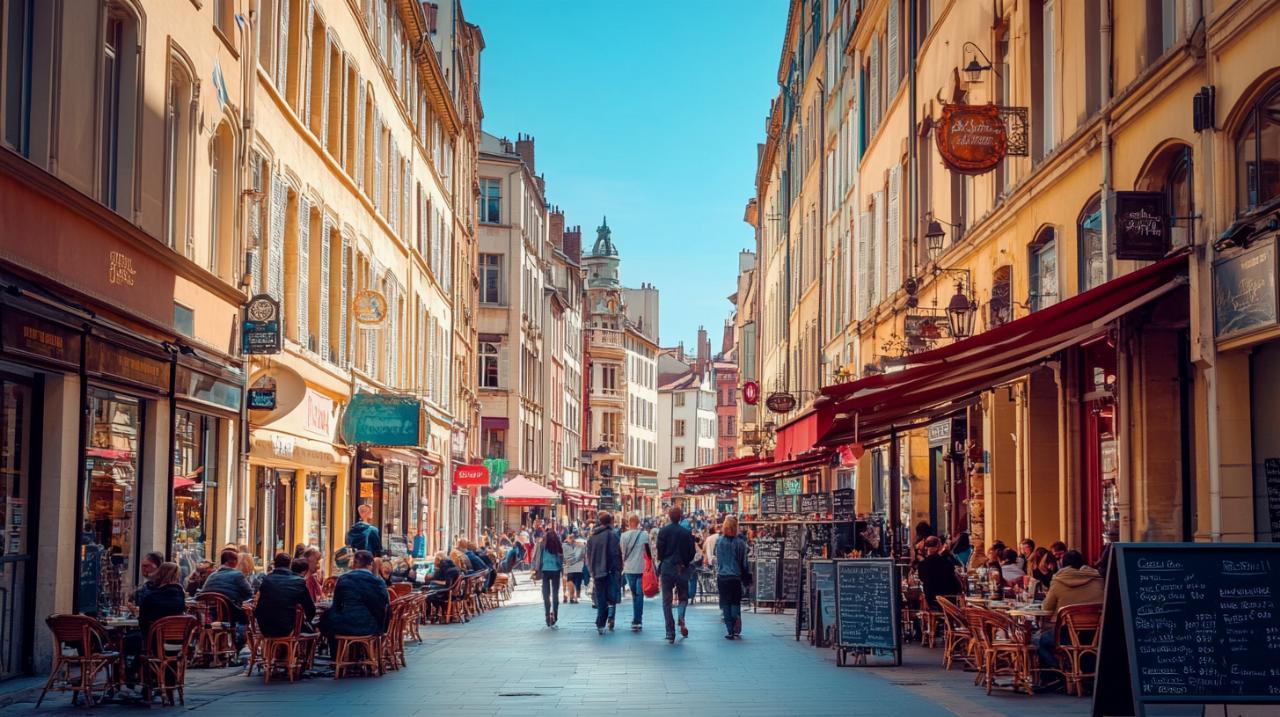
Lyon's nightlife is experiencing a renaissance, driven by the opening of new music venues and the flourishing of underground scenes that offer fresh and exciting alternatives to mainstream entertainment. These spaces are often small and intimate, providing a platform for local talent and experimental sounds that might not find a home in larger, more commercial venues. The rise of these underground scenes reflects a broader cultural shift towards supporting independent artists and fostering a more diverse and inclusive musical landscape. Many of these venues are located in previously overlooked neighbourhoods, contributing to the revitalisation of these areas and creating new cultural hubs within the city.
The growth of Lyon's underground music scene is also closely tied to the city's vibrant youth culture and its reputation as a centre for innovation and creativity. Young artists and music enthusiasts are increasingly taking matters into their own hands, organising DIY events, pop-up concerts, and collaborative projects that challenge traditional notions of performance and audience engagement. These initiatives are often characterised by a spirit of experimentation and a willingness to take risks, resulting in performances that are raw, authentic, and deeply engaging. The sense of community that emerges from these events is palpable, with attendees and performers alike contributing to a shared sense of purpose and artistic vision.
In addition to these grassroots efforts, established venues are also evolving to meet the changing demands of audiences. Many are investing in state-of-the-art sound systems and lighting, creating immersive environments that enhance the overall experience. Others are diversifying their programming to include not just music but also spoken word, performance art, and multimedia installations, reflecting a broader trend towards interdisciplinary collaboration. The Fête de la Musique, held on 21 June, epitomises this inclusive approach, with free concerts taking place throughout the city and spanning a wide range of genres. This annual celebration of music brings together people of all ages and backgrounds, reinforcing the idea that music is a universal language that transcends barriers and fosters connection. As Lyon's nightlife continues to evolve, it remains a testament to the city's enduring creativity and its commitment to nurturing artistic expression in all its forms.
Urban Regeneration and Community Initiatives in Lyon's Neighbourhoods
Confluence district unveils latest sustainable development projects
Urban regeneration has become a defining feature of Lyon's recent development, with the Confluence District serving as a flagship example of how thoughtful planning and investment can transform underutilised spaces into vibrant, sustainable communities. Located at the confluence of the Rhône and Saône rivers, this district has undergone a dramatic transformation over the past decade, emerging as a model of contemporary urban design that prioritises environmental sustainability, social inclusivity, and cultural vitality. The latest phase of development includes new residential buildings, commercial spaces, and public amenities that have been designed with an emphasis on energy efficiency and green building practices.
One of the most striking aspects of the Confluence District is its commitment to creating public spaces that encourage social interaction and community engagement. Wide pedestrian boulevards, expansive parks, and waterfront promenades provide residents and visitors with ample opportunities to relax, exercise, and connect with one another. These spaces are not merely functional but are designed to be aesthetically pleasing, incorporating public art installations and landscaping that enhance the overall environment. The district also features a diverse mix of shops, restaurants, and cultural venues, ensuring that it remains a lively and dynamic place throughout the day and into the evening.
Sustainability is at the heart of the Confluence District's development strategy. Energy-efficient buildings, renewable energy sources, and green roofs are just a few of the measures that have been implemented to reduce the district's environmental footprint. The emphasis on public transport and cycling infrastructure further supports the goal of creating a low-carbon community. Residents are encouraged to use bicycles and public transit rather than private cars, with dedicated bike lanes and excellent connectivity to the rest of the city making these options both convenient and attractive. The success of the Confluence District serves as an inspiration for other urban development projects, demonstrating that it is possible to create thriving, sustainable communities that enhance the quality of life for all residents.
Local residents champion green spaces and cultural heritage preservation
While large-scale development projects like the Confluence District capture headlines, grassroots community initiatives are equally vital in shaping the character and future of Lyon's neighbourhoods. Across the city, local residents are taking an active role in championing green spaces and preserving cultural heritage, driven by a shared commitment to maintaining the unique identity and quality of life that define their communities. These efforts often take the form of community gardens, heritage preservation societies, and neighbourhood associations that work to ensure that development is balanced with conservation and that the voices of residents are heard in the planning process.
Community gardens have become a particularly popular initiative, providing urban dwellers with the opportunity to cultivate their own vegetables, herbs, and flowers while fostering a sense of community and connection to the land. These gardens are often located on vacant lots or underutilised spaces, transforming them into productive and beautiful areas that benefit the entire neighbourhood. Beyond their practical benefits, community gardens serve as gathering places where people of all ages and backgrounds can come together, share knowledge, and build lasting relationships. They also play an important role in promoting environmental awareness and sustainable living practices, offering hands-on education about composting, organic gardening, and biodiversity.
Preservation of cultural heritage is another key focus for many community groups, who recognise that Lyon's rich history is a vital part of its identity and appeal. Efforts to protect historic buildings, traditional crafts, and local traditions are ongoing, with residents working alongside local authorities and heritage organisations to ensure that these treasures are not lost to time or neglect. The Festival of Lights, held in early December and attracting millions of visitors each year around the 8th of the month, is a prime example of how cultural traditions can be celebrated and preserved while also evolving to reflect contemporary values and creativity. This beloved event sees the city illuminated with spectacular light installations, transforming Lyon into a magical landscape that honours its past while embracing innovation. The festival not only brings joy to residents and visitors but also reinforces the importance of cultural heritage as a source of pride and community cohesion.